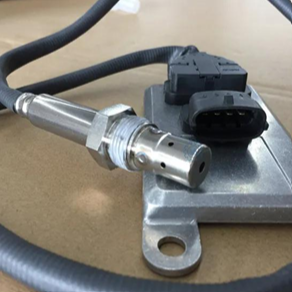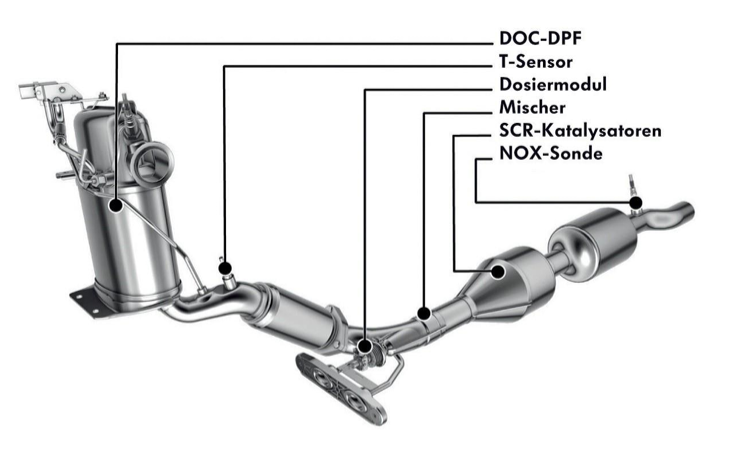
Modern diesel vehicles are equipped with advanced emission control technologies designed to reduce harmful exhaust gases. One of the most important components in this system is the Nitrogen Oxide (NOx) Sensor.
What Does a NOx Sensor Do?
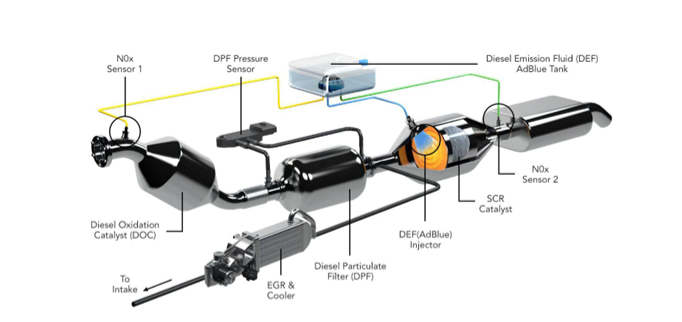
A NOx Sensor continuously measures nitrogen oxide levels in the exhaust system and sends this information to the Engine Control Unit (ECU).
The ECU uses this data to control systems such as:
Selective Catalytic Reduction (SCR)
AdBlue dosing
Diesel Particulate Filter (DPF) management
Engine emission control
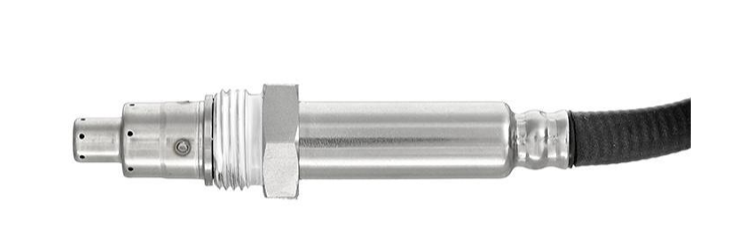
Symptoms of a Faulty NOx Sensor
Common signs include:
Check Engine Light
Increased fuel consumption
Reduced engine performance
SCR warning messages
AdBlue system faults
Limp mode activation
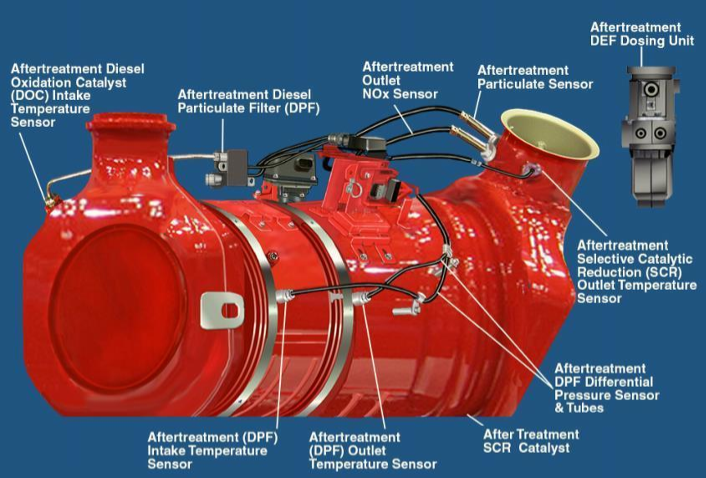
Common Causes of Failure
Several factors can affect NOx sensor performance:
High exhaust temperatures
Electrical wiring damage
Sensor contamination
Moisture ingress
Normal wear over time
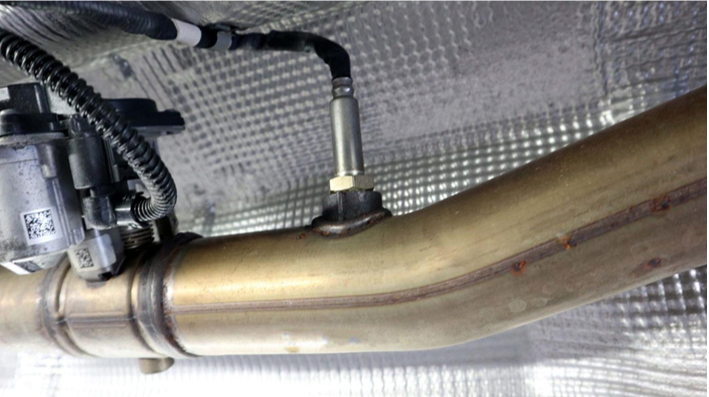
Importance of Accurate Diagnostics
Replacing a NOx sensor without confirming the root cause may not resolve the issue. A complete diagnostic inspection should include:
Reading fault codes
Inspecting wiring
Verifying sensor operation
Checking SCR system performance
Final Thoughts
Proper maintenance of the NOx sensor helps maintain engine efficiency and reliable operation of the vehicle’s emission control system.