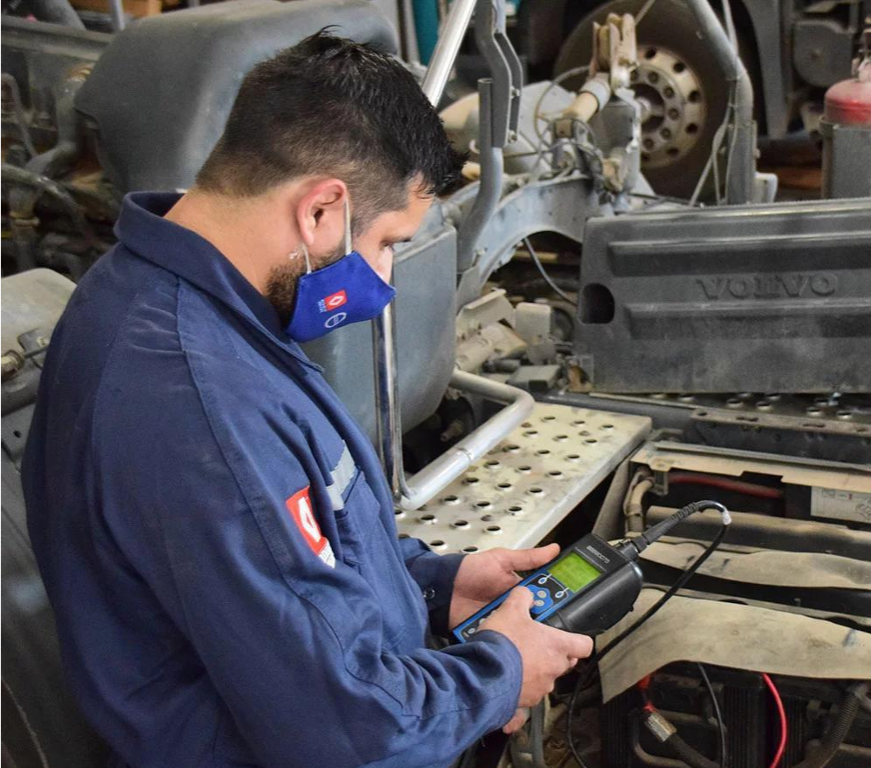
Modern vehicles depend on continuous communication between multiple electronic control modules. When CAN Bus communication fails, it can lead to warning lights, diagnostic trouble codes (DTCs), and unexpected vehicle behaviour.
Understanding the most common causes of CAN Bus failures can significantly reduce diagnostic time.
Common Symptoms
A communication fault may present itself through:
Check Engine Light
ABS warning light
Airbag warning
Dashboard communication errors
Multiple fault codes
Engine starting issues
Loss of communication with scan tools
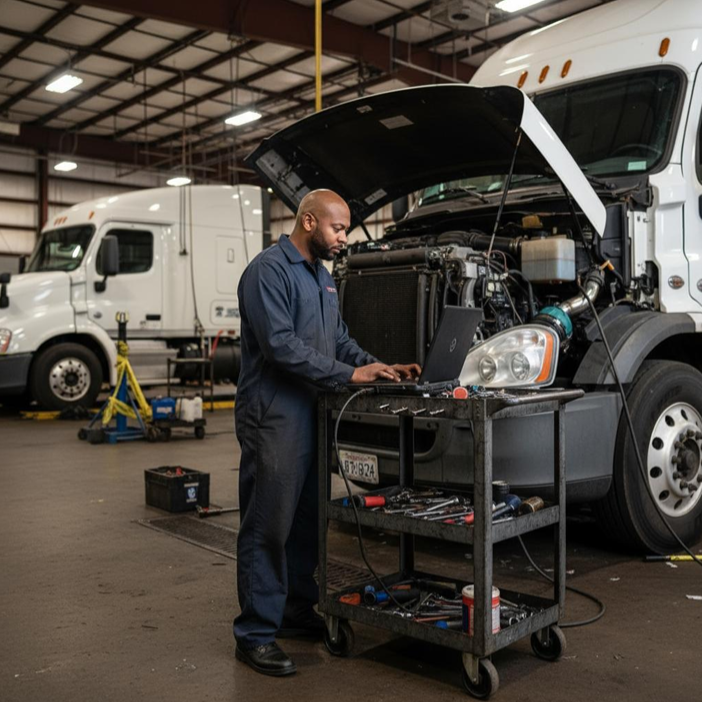
Common Causes
Damaged Wiring
Broken, corroded, or pinched CAN High and CAN Low wires are among the leading causes of communication failure.
Faulty ECU
An internal ECU failure can interrupt network communication and affect multiple vehicle systems.
Poor Ground Connections
Loose or damaged ground connections often create intermittent communication problems.
Incorrect Network Resistance
CAN Bus networks require proper termination resistance. Incorrect resistance values may prevent reliable communication.
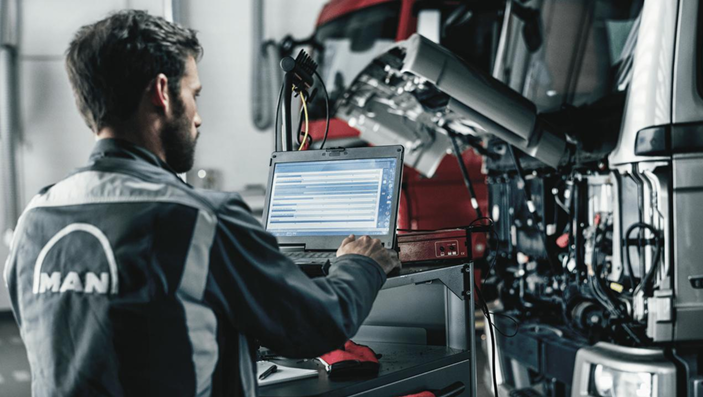
Diagnostic Process
Professional technicians generally follow these steps:
Scan for Diagnostic Trouble Codes.
Verify battery voltage.
Inspect CAN wiring.
Measure CAN Bus resistance.
Check CAN High and CAN Low voltage levels.
Test individual ECUs if required.
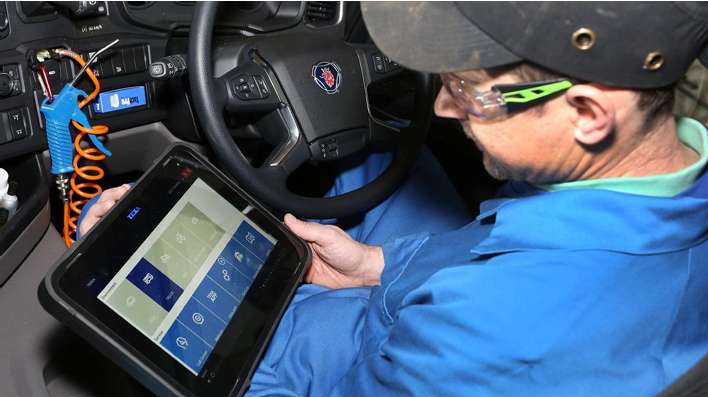
Prevention Tips
Inspect wiring regularly.
Keep connectors clean and secure.
Use quality replacement components.
Perform periodic network diagnostics.
Conclusion
Most CAN Bus communication issues can be identified quickly using a systematic diagnostic approach. Proper maintenance and careful inspection help ensure reliable vehicle performance.