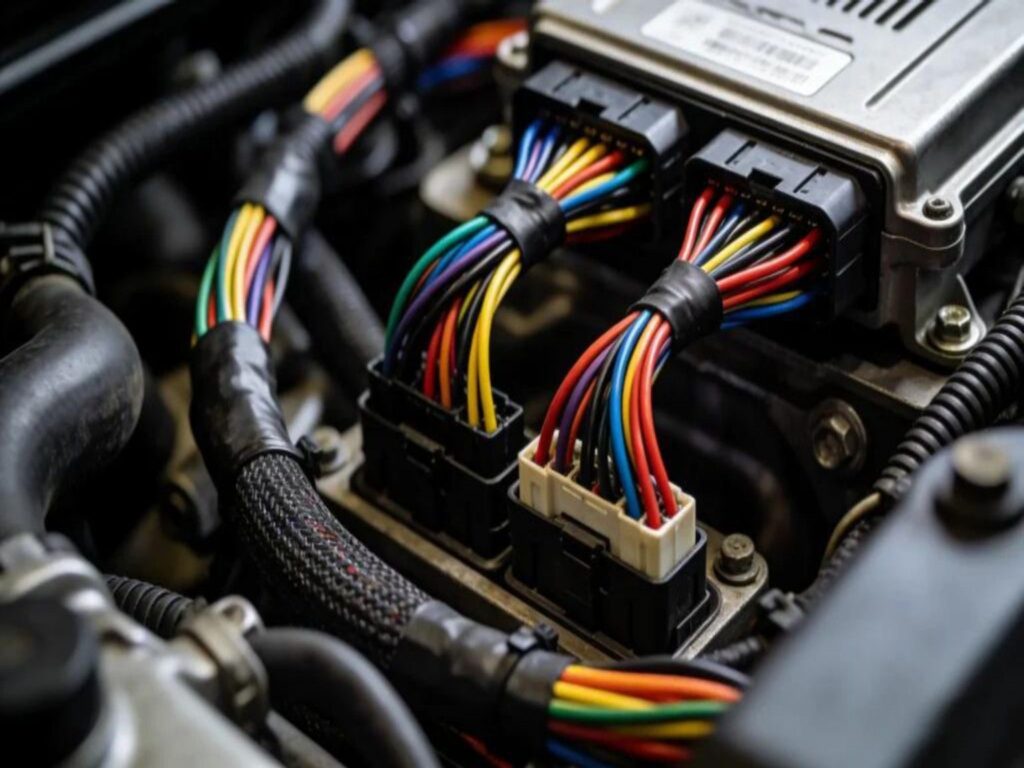
Modern vehicles are equipped with dozens of Electronic Control Units (ECUs) that constantly exchange information to ensure safe and efficient operation. This communication takes place through the Controller Area Network (CAN Bus), one of the most important technologies in today’s automotive industry.
A CAN Bus Emulator is an electronic device designed to simulate the communication of specific vehicle modules or sensors. It enables technicians, engineers, and automotive professionals to test, diagnose, and validate vehicle systems without requiring every original component to be installed.
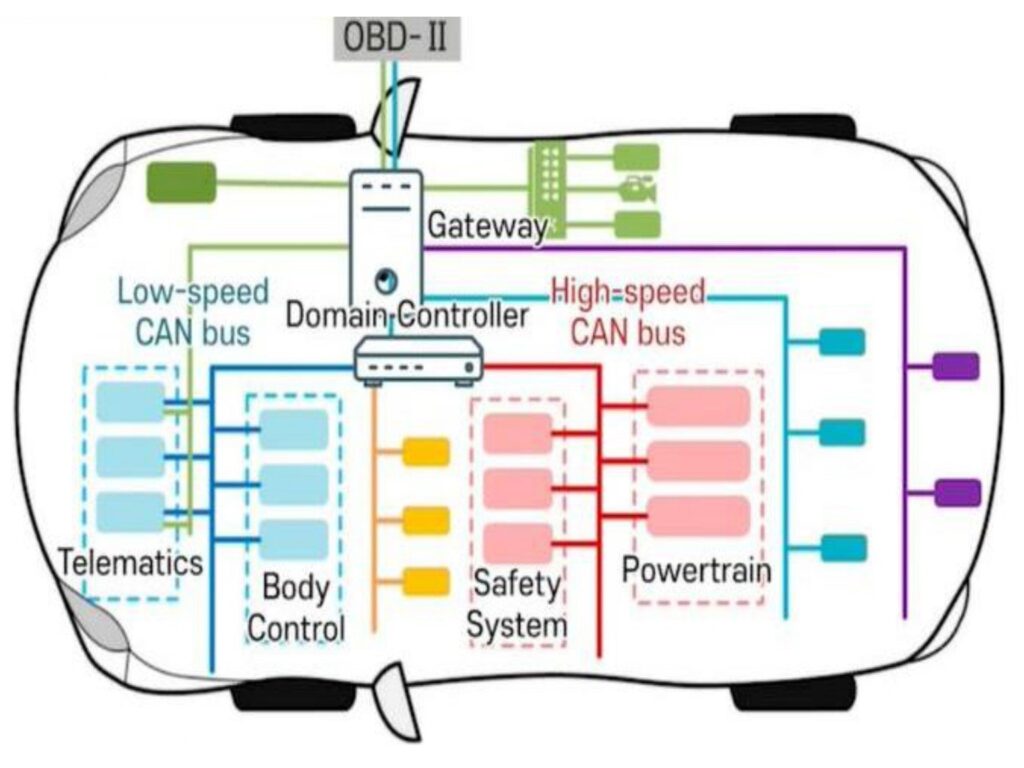
Understanding CAN Bus Communication
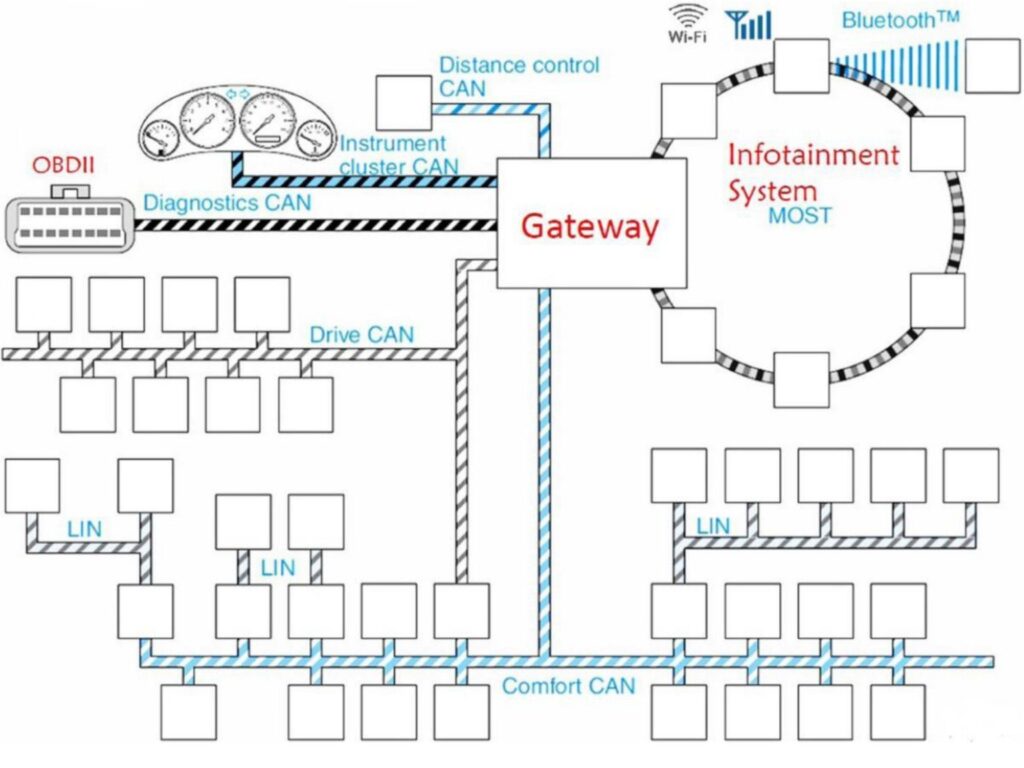
The CAN Bus is a high-speed communication network that connects multiple ECUs throughout a vehicle. Systems such as the Engine Control Unit (ECU), ABS, transmission, dashboard, airbag module, and emission control systems all communicate through this network.
Instead of running separate wiring between every component, the CAN Bus allows modules to share information efficiently using only two communication wires.
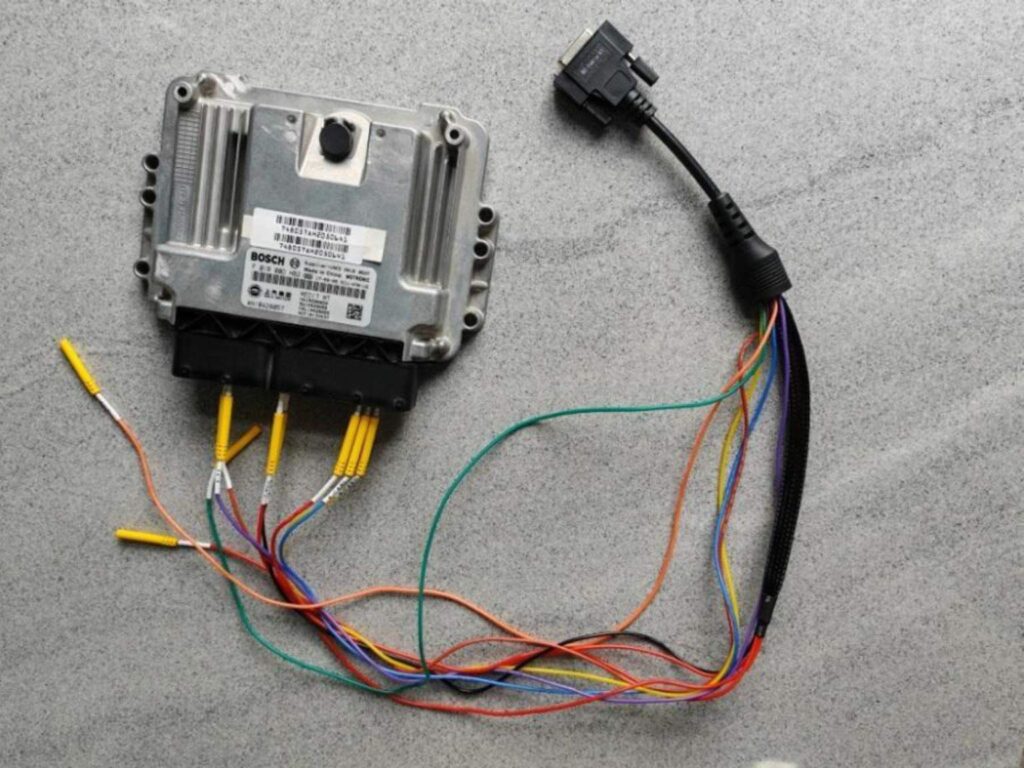
What Does a CAN Bus Emulator Do?
A CAN Bus Emulator generates the required CAN messages that other ECUs expect to receive. This allows the vehicle network to continue functioning normally during testing, diagnostics, or system development.
Typical applications include:
ECU testing and validation
Automotive electronics development
Diagnostic laboratories
Vehicle retrofitting
Research and development projects
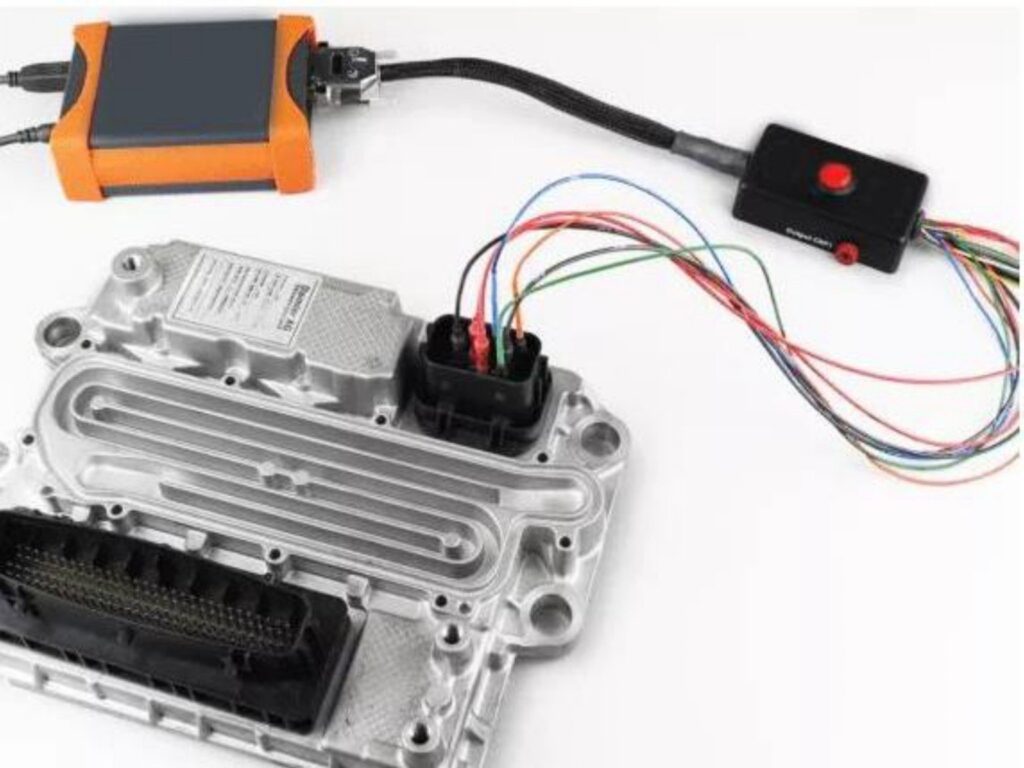
Benefits of Using a CAN Bus Emulator
Reliable CAN communication simulation
Faster diagnostics and troubleshooting
Reduced testing time
Improved development efficiency
Compatible with various vehicle platforms
Choosing the Right Emulator
Before selecting a CAN Bus Emulator, consider:
Vehicle manufacturer compatibility
Supported CAN protocols
Installation requirements
Software update availability
Technical support
Final Thoughts
As vehicles become increasingly dependent on electronic communication, CAN Bus Emulators have become valuable tools for automotive professionals. They simplify diagnostics, improve testing efficiency, and support advanced vehicle development projects.